





TPE food grade gloves offer a reliable solution for professionals in the food industry, ensuring hygiene and safety during food preparation. These gloves are designed to meet stringent safety standards while providing comfort and durability. In this comprehensive guide, we’ll explore the benefits, uses, and features of TPE food grade gloves, helping you make informed choices for your workplace.
What Are TPE Food Grade Gloves?
TPE food grade gloves are made from Thermoplastic Elastomer (TPE), a material known for its flexibility, durability, and safety for food contact. These gloves are specifically engineered to comply with food safety regulations, making them ideal for use in kitchens, food processing plants, and catering services. Unlike traditional materials like latex or vinyl, TPE gloves are hypoallergenic and free from harmful chemicals, ensuring safe handling of food products.
For high-quality options, consider the nitrile gloves for additional protection or the blue nitrile gloves for enhanced visibility during food prep.
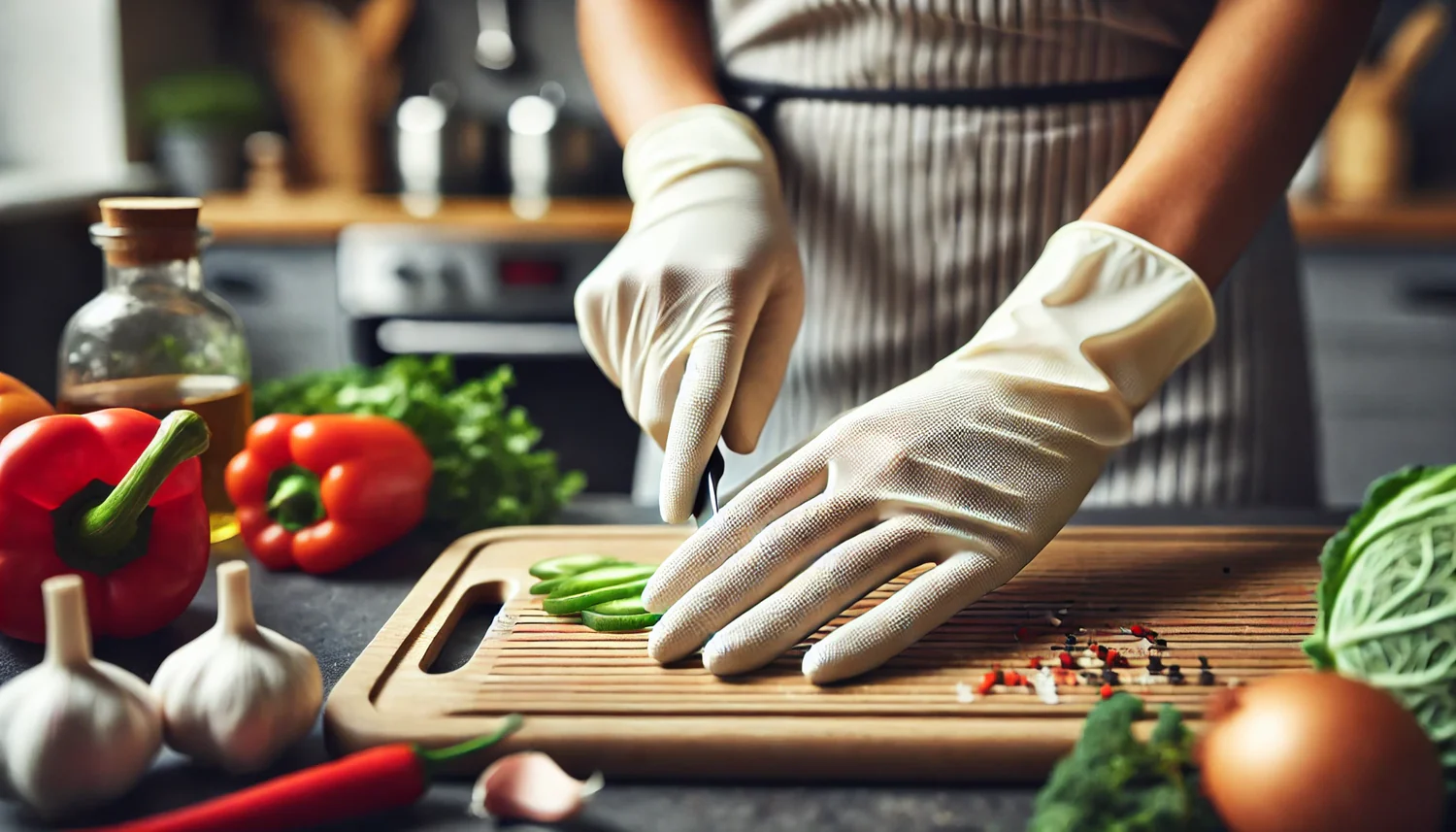
Why Choose TPE Food Grade Gloves?
Superior Safety and Compliance
TPE food grade gloves are designed to meet strict regulatory standards, such as those set by the FDA and EU food safety guidelines. They are free from latex, phthalates, and other allergens, reducing the risk of contamination and allergic reactions. This makes them a top choice for environments where food safety is paramount.
Comfort and Flexibility
One of the standout features of TPE gloves is their lightweight and flexible design. They provide a snug fit, allowing for dexterity and precision during tasks like chopping, slicing, or packaging. For those needing additional grip, the latex-coated gloves offer a similar level of flexibility with enhanced traction.
Cost-Effective and Durable
TPE gloves are an economical choice for businesses that require high volumes of gloves. Despite their affordability, they are resistant to tears and punctures, ensuring they hold up during demanding tasks. For heavy-duty tasks, you might also explore heavy-duty nitrile gloves for added durability.
Eco-Friendly Option
Many TPE gloves are recyclable, making them a more sustainable choice compared to traditional disposable gloves. This aligns with the growing demand for environmentally responsible products in the food industry.
Applications of TPE Food Grade Gloves
TPE food grade gloves are versatile and can be used in various settings, including:
- Restaurants and Catering: Ensure hygiene while preparing and serving food.
- Food Processing Plants: Protect against contamination during large-scale food production.
- Bakeries: Handle dough and ingredients safely with baking gloves or TPE gloves.
- Supermarkets and Delis: Maintain cleanliness when handling fresh produce or deli items.
For specialized tasks, such as handling raw meat or oily foods, consider oil-resistant gloves to complement your TPE glove usage.
Key Features to Look for in TPE Food Grade Gloves
When selecting TPE gloves, consider the following features:
- Powder-Free Design: Prevents contamination and is ideal for food handling.
- Textured Surface: Enhances grip for handling slippery items.
- Ambidextrous Fit: Allows for quick and easy use on either hand.
- Variety of Sizes: Ensures a comfortable fit for all users.
For those needing additional protection, the cut-resistant gloves are a great complement for tasks involving sharp tools.
How to Properly Use TPE Food Grade Gloves
To maximize the benefits of TPE gloves, follow these best practices:
- Wash Hands Before Use: Ensure hands are clean to prevent contamination.
- Choose the Right Size: A proper fit enhances comfort and dexterity.
- Dispose After Use: TPE gloves are single-use to maintain hygiene.
- Store Properly: Keep gloves in a cool, dry place to maintain quality.
For tasks requiring prolonged use, consider comfortable work gloves to reduce hand fatigue.
Comparing TPE Gloves to Other Materials
TPE vs. Latex Gloves
While latex gloves offer excellent elasticity, they can cause allergic reactions in some users. TPE gloves are a safer, allergen-free alternative. Explore latex gloves for comparison if allergies are not a concern.
TPE vs. Nitrile Gloves
Nitrile gloves are known for their chemical resistance, making them suitable for harsher environments. However, TPE gloves are often more cost-effective for food handling. Check out nitrile-coated gloves for tasks requiring extra chemical resistance.
Tips for Choosing the Best TPE Food Grade Gloves
- Verify Certifications: Ensure the gloves meet FDA or EU food safety standards.
- Consider Task-Specific Needs: Match glove thickness and texture to the task.
- Bulk Purchasing: For cost savings, buy in bulk from trusted suppliers like Rilong Group.
Conclusion
TPE food grade gloves are an essential tool for maintaining hygiene and safety in the food industry. Their combination of safety, comfort, and affordability makes them a go-to choice for professionals. By choosing the right gloves and following proper usage guidelines, you can ensure a safe and efficient food handling process. Explore the wide range of protective gloves at Rilong Group to find the perfect fit for your needs, including options like PVC-coated gloves for additional versatility.
Need Custom Gloves Solutions?
📞 Call for Immediate Sourcing:
Michael: +86 15165509509
Sophie: +86 15806930126
📩 Email Technical Specifications:
[email protected]
[email protected]
💬 Chat on social media:


